


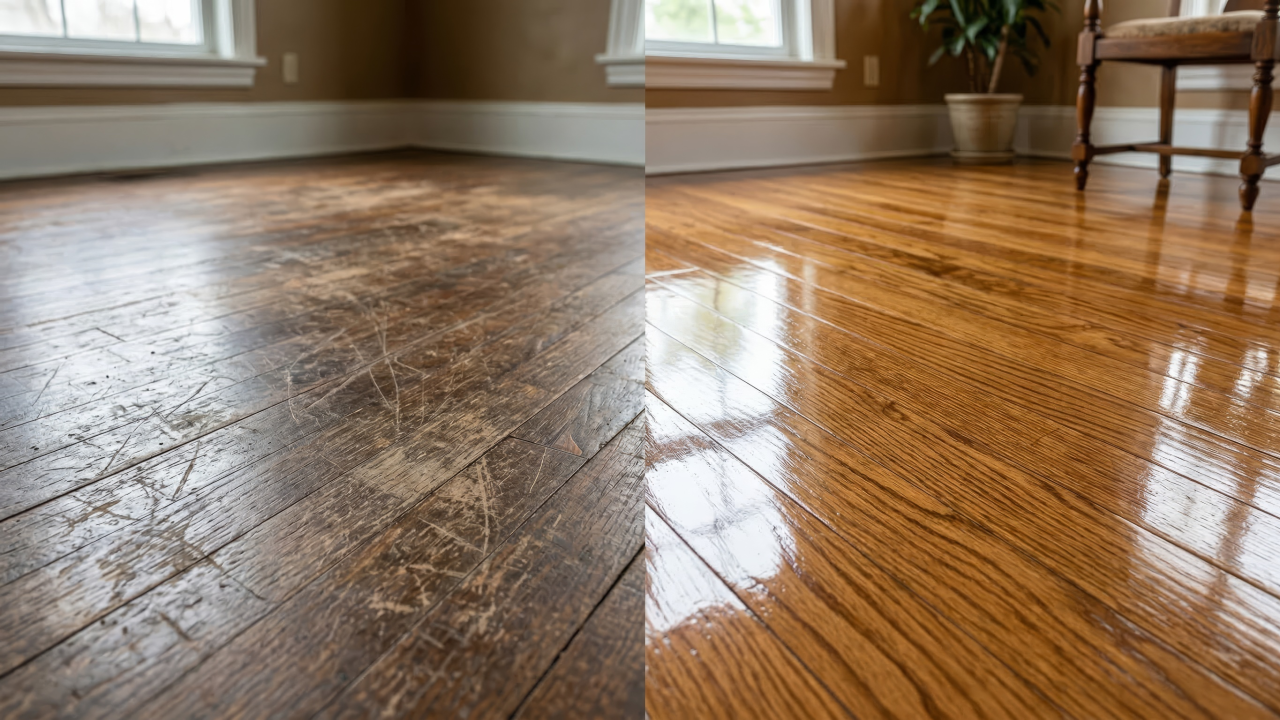
Hardwood floors are valued for their warmth, natural variation, and ability to remain beautiful for generations. However, even well-maintained flooring can develop scratches, gaps, dull areas, and other signs of wear. Seasonal changes in South Lyon can also affect how wood flooring looks and behaves throughout the year.
Some imperfections are cosmetic and relatively easy to address. Others may point to moisture, movement, installation, or structural issues that require professional evaluation. Knowing the difference can help homeowners protect their floors and avoid making a small problem worse.
Cameron The Sandman provides hardwood refinishing, restoration, repairs, and related flooring services from its South Lyon and Farmington Hills locations. The company has served Metro Detroit since 1936.
Why Gaps Develop Between Hardwood Boards
Wood naturally responds to changes in its environment. When indoor air becomes dry, boards may contract slightly. When humidity rises, they may expand. This movement can cause narrow gaps to appear and disappear with the seasons.
Common causes of hardwood gaps include:
Seasonal changes in indoor humidity
Prolonged exposure to dry air
Moisture imbalances within the flooring
Subfloor movement or instability
Improper installation spacing
Aging boards and normal material movement
Previous moisture or water damage
Small gaps that appear during the heating season and close when humidity returns may be part of the floor’s natural movement. Wide, uneven, or permanent gaps should be inspected before an attempted repair.
When a Hardwood Gap Needs Professional Attention
A gap should not be filled automatically. If the boards later expand, a rigid filler may crack or interfere with natural movement. The underlying cause needs to be understood first.
Arrange a professional assessment if you notice:
Gaps that remain open throughout the year
Boards that move or shift underfoot
Cracking, cupping, crowning, or warping
Dark staining near the affected area
Repeated gaps after previous repairs
Squeaks combined with visible board movement
Signs of leaks or excessive moisture
Hardwood restoration may include fixing gaps, replacing damaged boards, correcting uneven areas, addressing water-related damage, sanding the surface, and applying a protective finish.
Understanding Different Types of Scratches
Not every scratch requires the same solution. Light marks may only affect the finish, while deeper scratches can penetrate the stain and expose bare wood.
Surface Marks
Fine scratches and scuffs are often most visible when sunlight moves across the floor. If the wood beneath the finish is not exposed, the damage may be limited to the protective surface.
Deeper Scratches
A scratch that reveals a lighter line or raw wood has likely passed through the finish and stain. Local repair may be possible, but the color and sheen must be matched carefully.
Widespread Wear
When scratches cover large sections of a room, spot repairs can create an uneven appearance. Professional sanding and refinishing may provide a more consistent result.
Cameron The Sandman’s refinishing process can include an in-home evaluation, space preparation, sanding, minor repairs, stain application, sealing, and a final walkthrough. Avoid Quick Fixes That Can Damage the Floor
Many household products promoted as scratch remedies can leave residue, change the sheen, or interfere with future refinishing. Oils, waxes, markers, and improvised fillers may make professional repair more difficult.
Before using a product, identify:
The hardwood species
The type of finish on the floor
Whether the flooring is solid or engineered
The depth of the scratch
The age and condition of the surrounding finish
Any care restrictions from the flooring manufacturer
Aggressive sanding should also be avoided as a do-it-yourself spot treatment. Sanding one small area unevenly can create a visible dip or a patch that looks different from the surrounding boards.
Refinishing Versus Hardwood Restoration
Refinishing and restoration are related services, but they solve different problems.
Refinishing is generally appropriate when the floor remains structurally sound but has:
Surface scratches
Worn or faded finish
Minor stains
Uneven color
A dated stain tone
A rough or dull surface
Restoration goes further and may be necessary when the floor has:
Broken, warped, or missing boards
Wide or persistent gaps
Water damage
Movement or instability
Deep staining
Squeaks connected to structural concerns
Multiple repairs that need to be integrated
Refinishing primarily renews the surface, while restoration addresses both appearance and more substantial problems.
Preventing New Gaps and Scratches
Once hardwood has been repaired or refinished, consistent care can help preserve the result. Homeowners can reduce future damage by:
Using felt pads under furniture legs
Lifting furniture instead of dragging it
Placing mats near exterior doors
Removing shoes that carry grit or salt
Trimming pets’ nails regularly
Wiping up spills promptly
Monitoring indoor humidity
Following professional cleaning recommendations
Avoiding steam cleaners unless specifically approved
During a Michigan winter, indoor heating can make household air considerably drier. Managing the home environment helps support the floor as well as other woodwork and furnishings.
Restore the Character of Your South Lyon Hardwood
Gaps and scratches do not always mean that a hardwood floor needs to be replaced. In many cases, careful repairs, professional refinishing, or a more comprehensive restoration can preserve the existing wood and renew its appearance.
Because every floor has a different history, the best solution begins with an inspection. Cameron The Sandman can evaluate the gaps, scratches, finish, and overall stability of your hardwood flooring and recommend an appropriate path forward for your South Lyon home.
Contact us for more information.
