

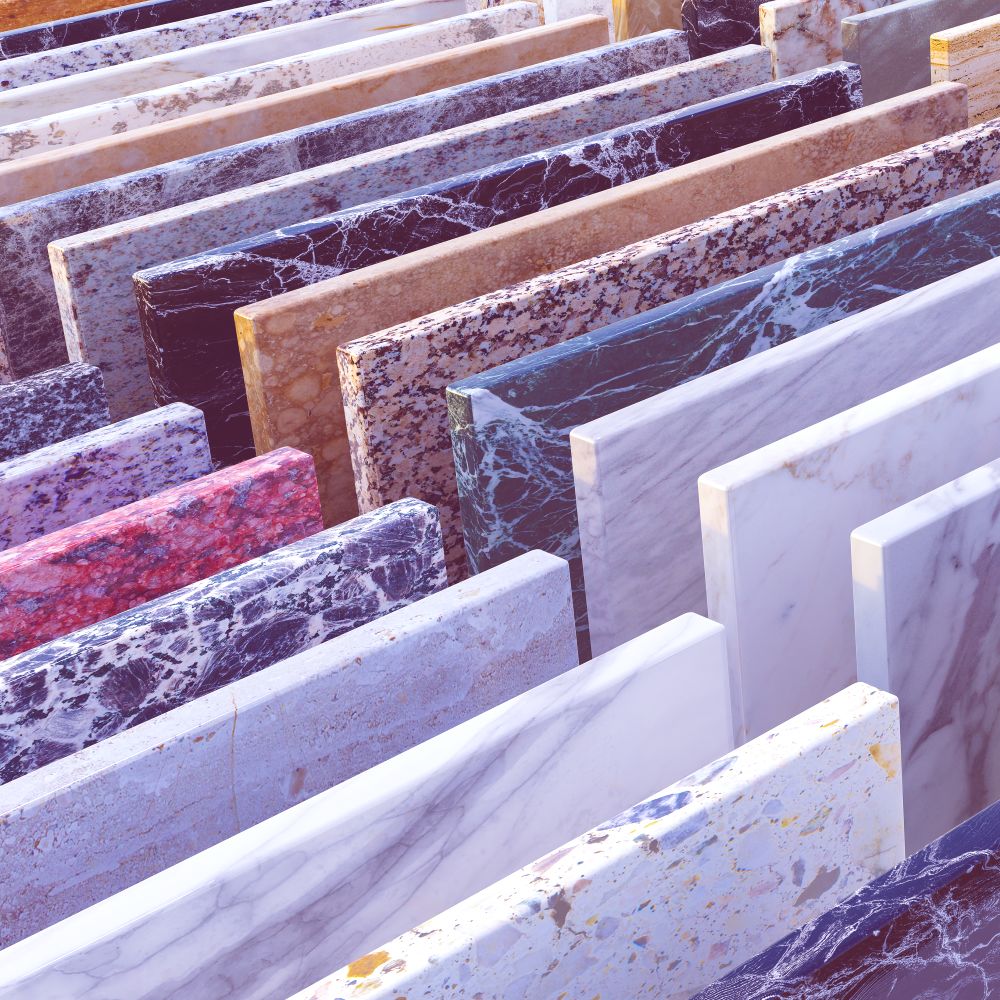
When remodeling a kitchen, bathroom, or open-concept living space, it is incredibly easy to get caught up in choosing individual elements. You find a flooring material you love, a cabinet color that catches your eye, and a beautiful countertop slab. However, a truly stunning room relies on how well these components interact with one another. To create a cohesive, balanced, and balanced interior, you must look beyond the floorboards and intentionally coordinate your carpentry, cabinetry, and surfaces.
Finding Harmony in Color Undertones
The most common mistake in home design is mixing conflicting undertones. Every material you choose has either a warm, cool, or neutral base color. For example, if you choose a wide-plank oak floor with warm golden undertones, pairing it with cool, blue-gray cabinets can create a jarring visual conflict.
You don't need to match everything perfectly—in fact, a space where the floors, cabinets, and trim are the exact same wood stain can look dated and heavy. Instead, aim for complementary contrast. If your floors are a rich, dark hardwood, consider balancing the space with crisp white or soft cream cabinets, topped with a countertop that features subtle veining to tie the light and dark elements together.
The Role of Trim as a Visual Anchor
Baseboards, window casings, and crown moldings act as the connective tissue of a room. They bridge the gap between your horizontal surfaces (the floors and countertops) and your vertical surfaces (the walls and cabinets).
If you want a modern, clean look, choose simple, square-profile baseboards painted to match your wall trim. For a more traditional or transitional space, deep, multi-tiered moldings add architectural weight. When coordinating your cabinetry with your trim work, ensure the crown molding resting on top of your upper cabinets matches the profile and color of the room’s structural crown molding to give the space a built-in, custom look.
Connecting Horizontal and Vertical Planes
Your countertops and flooring are the two largest horizontal planes in a room, and they must speak to each other. If your flooring has a very busy, high-character grain pattern with lots of knots and color variations, your countertops should be relatively understated—such as a solid quartz or a softly marbled stone. Conversely, if your floors are uniform and simple, you can let your countertops take center stage with a dramatic, bold vein pattern.
Creating a beautifully balanced home requires a careful, coordinated design plan.
Contact our home renovation specialists today to start selecting the perfect combination of flooring, cabinetry, and custom trim for your space.