

Hardwood floors are one of the few features in a home that can truly stand the test of time. They develop character, they add warmth, and when they begin to show wear, they can often be restored instead of replaced. That is why so many homeowners ask the same important question: How many times can hardwood floors actually be refinished?
The answer depends on several factors, including the type of flooring, its thickness, and how it has been maintained over the years. In this guide, we will walk you through everything you need to know so you can make a confident decision about your floors.
What does refinishing hardwood floors involve?
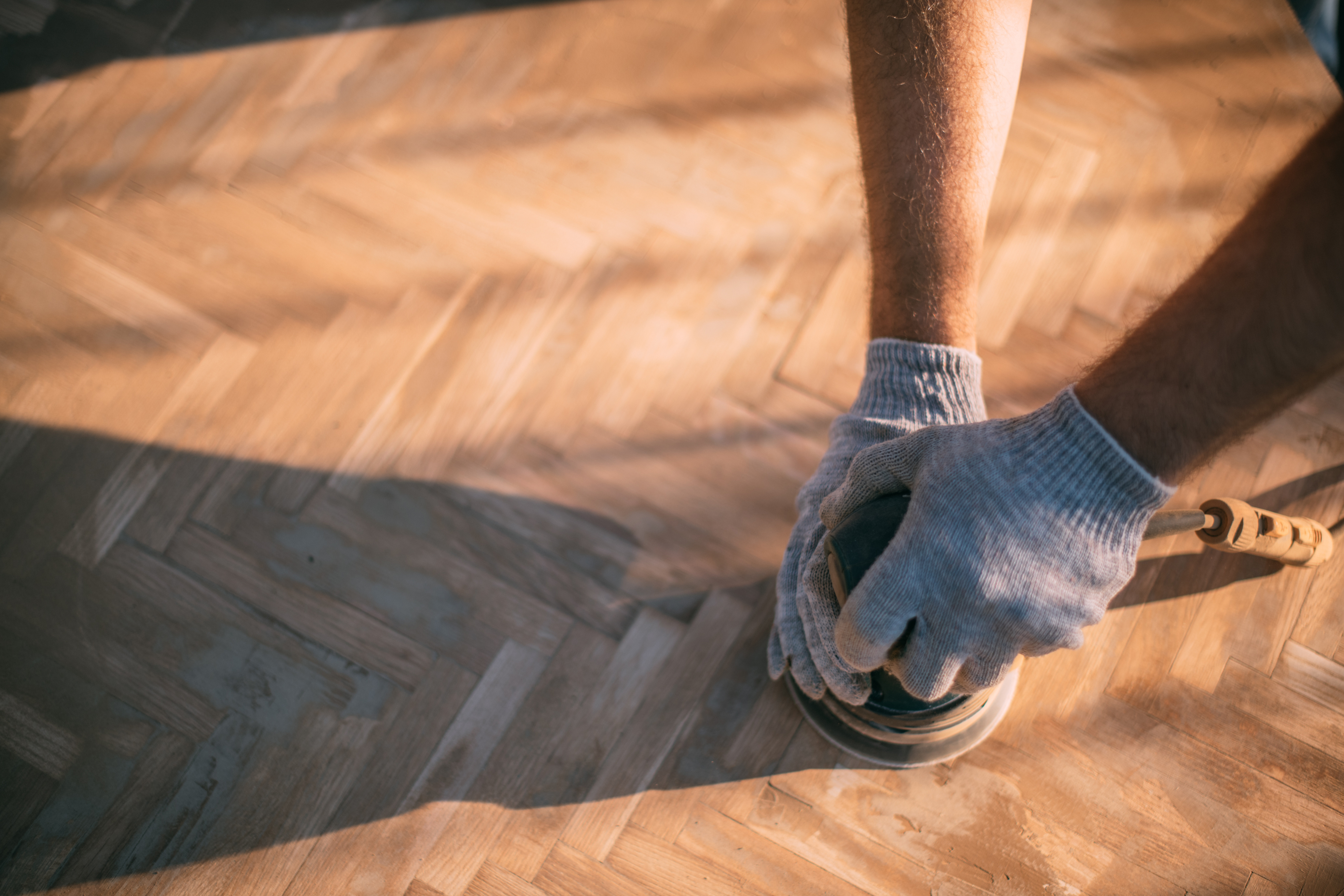
Refinishing hardwood floors is a detailed process that goes beyond simple surface cleaning. It involves sanding down the top layer of the wood to remove scratches, stains, dents, and worn finishes. After the sanding process is complete, a new stain and protective finish are applied to restore both the appearance and durability of the flooring.
This process essentially gives your hardwood floors a fresh start. It removes years of wear and allows you to update the look of your space without the cost and disruption of a full replacement.
At Cameron The Sandman, hardwood refinishing is part of a comprehensive restoration approach. We do not just focus on the surface. We also address repairs, color consistency, and any underlying issues so your floors look better and perform better for years to come.
How many times can hardwood floors be refinished?
Most solid wood floors can typically be refinished between four and seven times throughout their lifespan. This range is based on the amount of usable wood above the tongue of each plank.
Every time the floor is sanded, a small layer of wood is removed. Once the sanding reaches too close to the tongue, refinishing is no longer a safe option.
It is important to understand that not all hardwood floors are the same. Some older homes in the Detroit area have thicker planks that allow for more refinishing cycles. On the other hand, thinner or lower-quality materials may have fewer opportunities for restoration.
A professional evaluation is the best way to determine how many refinishing cycles your specific floors can handle. Our team carefully measures and inspects each floor before recommending the next step.
Can engineered hardwood be refinished?
Engineered hardwood flooring can often be refinished, but it does not offer the same flexibility as solid hardwood. This type of flooring features a thin hardwood veneer on top of a layered core. The thickness of that top layer determines how many times the floor can be sanded.
In general, you can expect the following:
Lower-quality engineered hardwood may only support one refinishing cycle
Higher-quality engineered hardwood with a thicker veneer may allow for two to three refinishes
Because engineered flooring products vary widely, it is important to have a professional assess the floor before attempting any refinishing work.
What factors affect how many times you can refinish?
Several key factors influence how many times a hardwood floor can be refinished. Understanding these factors can help you better care for your floors and extend their lifespan.
Wood thickness: Thicker planks provide more material for sanding, which allows for more refinishing cycles over time.
Previous refinishing work: Floors that have already been sanded multiple times will have less wood remaining, which limits future refinishing potential.
Quality of past refinishing: Poor sanding techniques can remove too much material at once, which reduces the number of refinishing opportunities.
Extent of damage: Deep scratches, gouges, or stains may require more aggressive sanding, which removes additional wood.
Ongoing maintenance: Proper cleaning, protective pads, and routine care can reduce wear and extend the time between refinishing projects.
Our approach is always careful and precise. We focus on preserving as much of the wood as possible so you can continue to refinish your floors in the future if needed.
How can you tell if your wood floors can be refinished again?
Determining whether your floors can be refinished again requires both visual inspection and professional expertise. While some signs are easy to spot, others are not as obvious.
You may be able to refinish your wood floors again if the following conditions are present:
The damage is mostly surface-level, such as light scratches or dullness
The boards remain stable and secure underfoot
There is still sufficient wood above the tongue of the plank
There are no major structural issues affecting the flooring system
However, refinishing may not be recommended in the following situations:
The wood layer is too thin to sand safely
The tongue or nails are becoming visible
There is significant warping or structural damage
The floor has already been sanded too many times
At Cameron The Sandman, we rely on decades of experience to make these determinations. Since 1936, we have helped homeowners and business owners throughout the Detroit area restore their hardwood floors with confidence.
How often should hardwood floors be refinished?
Even though hardwood floors can be refinished multiple times, it is not something that should be done frequently. In most homes, refinishing is needed every seven to fifteen years, depending on the level of use and wear.
Homes with pets, children, or heavy foot traffic may require refinishing more often. In contrast, areas with lighter use can go much longer without needing attention.
Timing is important. Refinishing too early can reduce the total number of times your floors can be restored. Waiting too long can allow damage to become more severe, which may require more aggressive sanding or repairs.
We help homeowners determine the right timing based on their specific conditions.
What happens if your floors have water damage?
Water damage can significantly impact the condition of hardwood floors. Moisture can cause warping, staining, and even mold growth if it is not addressed quickly. In some cases, refinishing alone can restore the surface. In other situations, repairs are necessary before refinishing can begin.
Our team takes a thorough and proactive approach when dealing with water-damaged floors. We assess the full extent of the issue, repair any compromised areas, and then complete the refinishing process to restore both the appearance and integrity of the floor.
We have experience handling a wide range of water-related issues, including:
Burst pipes
Appliance leaks or overflows
Flooding caused by severe weather
Long-term moisture exposure
By addressing both the surface and underlying problems, we help ensure your floors are safe, stable, and built to last.
Why does professional refinishing make a difference?
Hardwood floor refinishing requires precision, skill, and the right equipment. Each sanding pass removes material, and mistakes can shorten the lifespan of your flooring.
Working with experienced professionals provides several important benefits:
Accurate sanding that preserves as much wood as possible
Consistent stain application for a uniform appearance
High-quality finishes that protect against future wear
Proper repairs that address structural or surface issues
At Cameron The Sandman, we combine craftsmanship with decades of experience to deliver reliable results. We focus on both the immediate outcome and the long-term performance of your floors.
Is refinishing better than replacing hardwood floors?
In many cases, refinishing is a more cost-effective and practical option than replacement. It allows you to maintain the original character of your home while restoring the beauty of your floors.
Older hardwood floors often feature high-quality materials that are difficult to replicate today. If your floors can still be refinished, it is usually worth considering before exploring replacement options.
We work closely with homeowners to evaluate both options and recommend the best solution based on the condition of the floor and the goals of the project.
Looking to refinish your hardwood floors? Contact us!
If you are wondering how many times your hardwood floors can be refinished, the best next step is a professional evaluation. Every floor is unique, and understanding its condition is key to making the right decision.
From our showroom in Farmington Hills, MI, we serve throughout the Detroit area, including Livingston County, Oakland County, Washtenaw County, and Wayne County. Reach out to us today!