

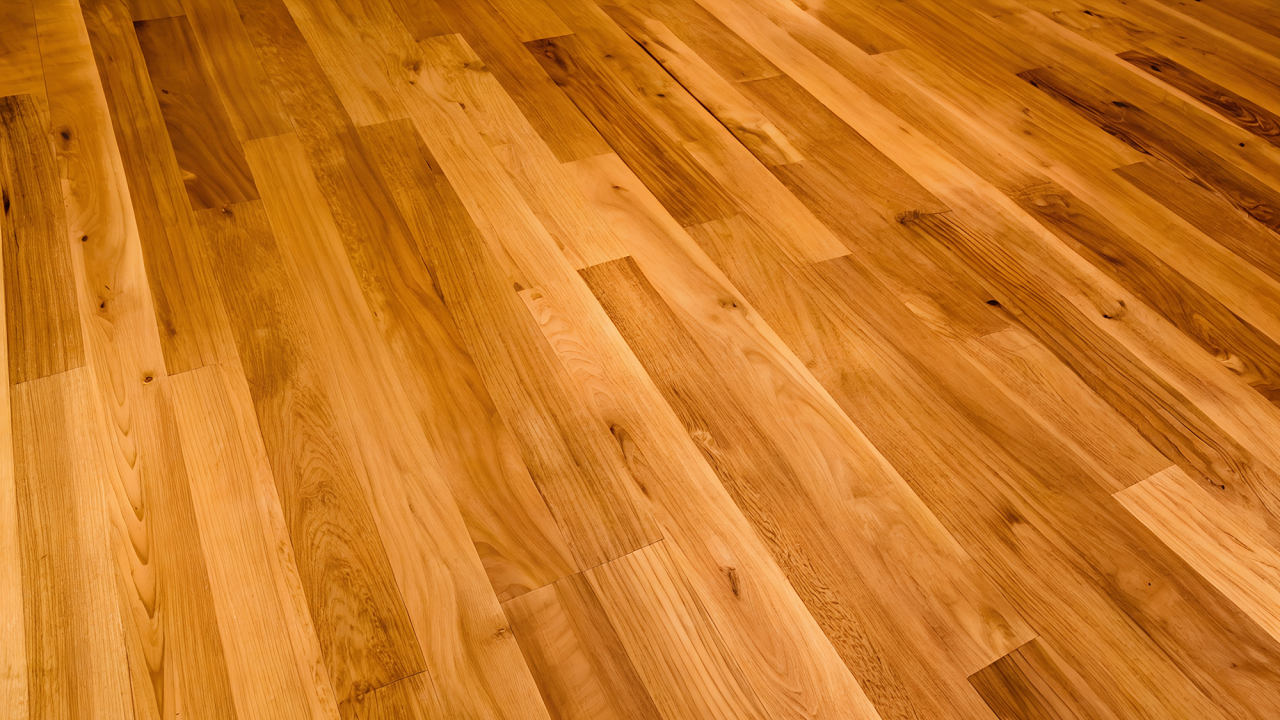
Selecting a hardwood species for a home in South Lyon, Michigan, requires more than selecting a color from a showroom sample. Michigan’s dynamic weather patterns put continuous strain on interior wood products. From muggy summer humidity off the Great Lakes to bone-dry indoor winter conditions created by central heating, your floorboards face constant environmental pressure. Selecting a wood species with the right structural density, dimensional stability, and natural hardness ensures your investment remains stunning for generations.
Navigating the Seasons in Southeast Michigan
Wood is a hydroscopic material, meaning it absorbs and releases atmospheric moisture continuously. When choosing hardwood in South Lyon, you must consider both the Janka hardness rating—which measures a wood species' resistance to denting and wear—and its dimensional stability, which dictates how much the wood expands and contracts during seasonal shifts. Choosing an appropriate species helps mitigate structural issues like winter board gapping or summer edge cupping.
White Oak: The Undisputed Moisture-Resistant Leader
White Oak stands out as one of the best performing domestic hardwoods for Michigan homes. On the Janka scale, White Oak rates at 1360, providing solid resistance against everyday foot traffic, pets, and dropped objects.
What truly elevates White Oak in our regional climate is its cellular structure. White Oak contains cellular end-grain blockages called tyloses, which render the wood closed-pored and naturally resistant to water absorption. This physical trait gives White Oak superior dimensional stability during humid Michigan summers compared to many other domestic hardwoods. Additionally, its muted grey-brown undertones accept modern wire-brushing, natural reactive stains, and light Nordic tones effortlessly.
Red Oak: Traditional Charm and Flexible Stability
Red Oak is the traditional foundation of American hardwood flooring and remains a staple across South Lyon neighborhoods. Rating at 1290 on the Janka scale, Red Oak provides comfortable durability under foot.
Red Oak features a strong, open grain pattern. This pronounced graining acts as a natural camouflage, effectively hiding minor scratches, pet wear, and small dents that occur over time. While slightly more reactive to humidity changes than White Oak, Red Oak’s natural elasticity allows it to expand and contract smoothly across seasonal shifts. It absorbs stains readily, allowing homeowners to customize their space with warm honey tones, deep rich walnuts, or contemporary mid-toned browns.
Hard Maple: Sleek Elegance with High Density
Hard Maple features a Janka hardness rating of 1450, making it noticeably harder than both Red and White Oak. Its tight, light-colored grain produces a clean, modern aesthetic that brightens open-concept floor plans and modern kitchens.
Because Hard Maple has a dense, tight pore structure, it naturally resists surface denting from heavy furniture or active pets. However, that same tight grain structure makes Maple somewhat more sensitive to relative humidity drops during cold Michigan winters. Hard Maple requires a steady indoor humidity level—ideally kept between 35% and 50% year-round with a home humidifier—to prevent noticeable contraction gaps between boards.
Hickory: Maximum Durability for Active South Lyon Families
For busy households requiring maximum surface toughness, Hickory is the premier choice. Registering at an impressive 1820 on the Janka scale, Hickory is one of the hardest domestic wood species available. It easily withstands heavy foot traffic, busy pets, and active children without showing physical indentation.
Hickory’s bold graining and dramatic natural color variations—ranging from pale cream to dark reddish-brown—create a striking rustic or contemporary craftsman aesthetic. Because Hickory is exceptionally dense, proper job-site acclimation before installation is mandatory in Michigan. Allowing Hickory boards to equalize with your home's microclimate ensures long-term stability and flawless performance.
Choosing the Perfect Species for Your Space
Every species brings distinct physical strengths and aesthetic character to your home. Balancing your aesthetic vision with your home's relative humidity control and daily activity levels will point you toward the perfect species.